
When you're comparing pan-and-tilt indoor cameras vs fixed indoor cameras, one big difference is how they capture video. Fixed cameras have a set angle, meaning they stay in one spot. This simplicity works well if you want to monitor a specific area, like a front door or a nursery. But if you want a broader view of your space, you might want to consider a pan-and-tilt indoor camera.
Pan-and-tilt indoor cameras come with adjustable angles. You can literally move them left, right, up, or down! This gives you the flexibility to keep an eye on different areas of a room without needing multiple cameras. Imagine being able to check on both your kids and your pets with just one camera. That convenience is a game changer!
Another great feature of pan-and-tilt cameras is the ability to control them remotely. Whether you're at work or on vacation, you can use your smartphone to change the camera's view. This is super handy if you want to keep an eye on things as they happen. Fixed cameras won't give you that kind of versatility, which is something to think about.
Of course, fixed cameras have their own perks. They are typically easier to set up and may have a longer battery life since they stay in one position. Think about what you want to achieve with your monitoring. If you need flexibility, pan-and-tilt indoor cameras might be the way to go. But if you prefer simplicity, fixed indoor cameras can get the job done too. Comparing pan-and-tilt indoor cameras vs fixed indoor cameras really comes down to your specific needs.
The Benefits of Pan-and-Tilt
Another bonus of pan-and-tilt indoor cameras is how user-friendly they are. Most models come with apps that let you control the camera right from your phone. Want to check on your pets playing in the living room? Just open your app and move the camera around to see exactly what they’re up to. This level of convenience can give you peace of mind while you're out and about.
Pan-and-tilt cameras often come equipped with additional features too. Many include night vision, motion detection, and even two-way audio, allowing you not only to watch but also to interact. So if your home security system alerts you about movement, you can check in and respond right away. That's a game changer when it comes to staying connected with what's happening at home.
On the flip side, fixed indoor cameras have their perks, like simplicity and ease of installation. They’re usually less expensive but lack the versatility of the pan-and-tilt models. So, if you’re leaning towards wider coverage and interactive monitoring, pan-and-tilt indoor cameras definitely have the edge in the pan-and-tilt indoor cameras vs fixed indoor cameras debate. You get a lot more functionality for keeping your home safe.
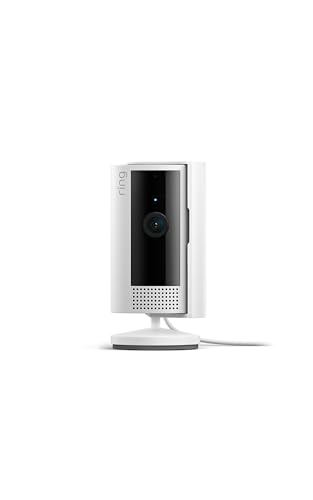
Ring Indoor Cam (2nd Gen) | 2023 Release | 1080p HD Video & Color Night Vision | White
Enhance Your Home Security with Crystal-Clear Video Quality and Night Vision Clarity
Product information
Product Review Score
4.74 out of 5 stars
(127 reviews)Product links
Why Choose Fixed Indoor Cameras
Fixed indoor cameras have a lot going for them, especially if you're looking for simplicity and reliability. These cameras stay in one spot, which makes them perfect for monitoring a specific area, like a living room or a nursery. You won't have to worry about accidentally moving the camera or needing to adjust it constantly. Just set it up, and it gets the job done.
One big advantage is the easy setup. You just mount it in the right place, connect it to your Wi-Fi, and you’re ready to go. This is a huge plus for busy folks who don't have time to fiddle with complicated gadgets. Plus, many fixed cameras come with features like high-definition video, night vision, and two-way audio, giving you a crystal-clear view and the ability to communicate through the camera.
When comparing pan-and-tilt indoor cameras vs fixed indoor cameras, consider that fixed models typically offer a wider field of view than you'd expect. While pan-and-tilt cameras can move around, a fixed camera can often capture everything in its angle right away. If you want to keep an eye on kids playing or a pet lounging on the couch, fixed cameras can offer all the coverage you need without the fuss of adjustments.
Cost is also an important factor. Fixed indoor cameras usually come at a lower price point than those fancy pan-and-tilt models. So, if you’re keeping an eye on your budget while still wanting solid security coverage, these cameras are a great choice. You can invest in multiple fixed cameras for different rooms, creating a more comprehensive security network in your home.

TP-Link Tapo 1080P Indoor Security Camera for Home
Affordable and reliable home security at your fingertips with TP-Link Tapo 1080P Indoor Security Camera
Product information
Product Review Score
4.62 out of 5 stars
(76 reviews)Product links
Making the Right Choice for You
When it comes to keeping an eye on your home, choosing between pan-and-tilt indoor cameras and fixed indoor cameras can make a huge difference. Both have their perks, and knowing what you want is key. What’s your main priority? Do you want flexibility and movement, or do you prefer a straightforward setup?
Pan-and-tilt indoor cameras let you control the camera’s view remotely. You can easily scan the room, check on kids or pets in real-time, and even zoom in on specific areas. If you have a larger space or want to watch multiple angles, this option is super handy. Plus, many models come with smart features like motion detection and alerts.
On the flip side, fixed indoor cameras are all about simplicity. They stay in one spot and provide a steady view of a designated area. If you live in a smaller space or want to keep an eye on just one entrance or room, these cameras do the job well. They tend to be easier to install and can be less expensive, too.
Consider how you plan to use the camera. Are you often away and want to check in frequently? Then, pan-and-tilt indoor cameras might be your best bet. If you just want basic coverage and don’t need the fancy features, fixed indoor cameras should work great. In the end, think about your home’s layout, your security needs, and how involved you want to be with monitoring. Evaluating these factors will help you decide in the pan-and-tilt indoor cameras vs fixed indoor cameras debate.


